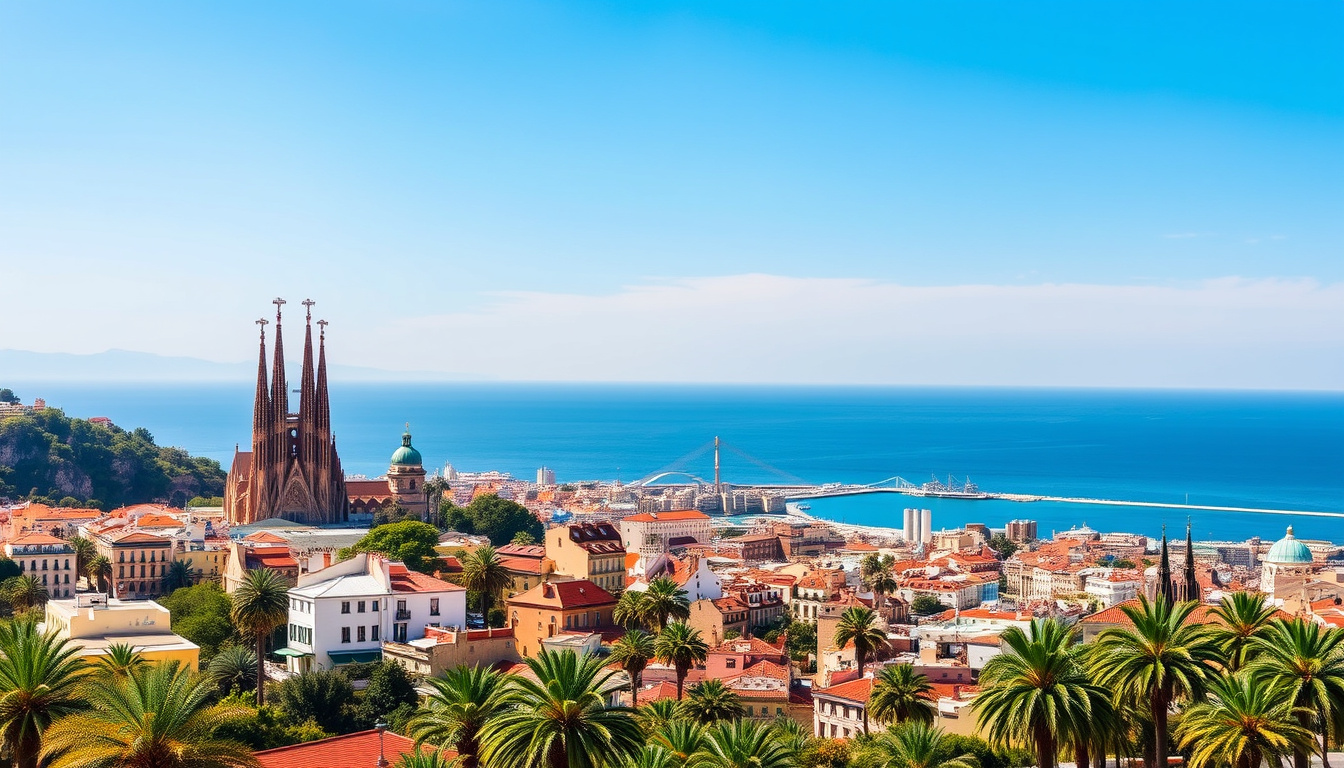
Barcelona has a way of making you forget you’re supposed to be on a budget. Between Gaudí’s candy-coloured towers and beachside seafood lunches, it’s easy to overspend before you’ve even seen the Gothic Quarter. But with a little planning — and a few insider tricks — you can soak up the city’s best without burning through your savings. This guide lays out a three-day plan that hits the highlights while keeping your wallet happy.
Population of Barcelona: 1.6 million ·
UNESCO World Heritage Sites by Gaudí: 7 ·
Average hotel cost per night: $150–$250 ·
Number of city beaches: 4 ·
Annual tourists: over 12 million
Quick snapshot
- Sagrada Familia construction began in 1882 and is ongoing (Barcelona Turisme – official city tourism body)
- Park Güell was originally conceived as a housing development (Lonely Planet – trusted travel publisher)
- Las Ramblas is a 1.2 km tree-lined pedestrian street (Go Ask a Local – local expert guide)
- Exact completion date of Sagrada Familia (projected 2026–2030, but not confirmed) (In Between Pictures – independent travel blog)
- Annual visitor numbers for smaller museums vary widely by source (Nomadic Matt – budget travel expert)
- No major construction or event closures currently affect core tourist sites (Barcelona Turisme – official city tourism body)
- Advance ticket booking strongly recommended for Sagrada Familia and Park Güell (Rick Steves Community Forum – experienced travelers)
- Plan your 3-day itinerary around neighborhood clusters to save time and metro fares (Barcelona Turisme – official city tourism body)
- Check free museum days (first Sunday of month) to reduce costs (Lonely Planet – trusted travel publisher)
What should I not miss in Barcelona?
Sagrada Familia and other Gaudí masterpieces
- Sagrada Familia is Antoni Gaudí’s unfinished basilica and a UNESCO World Heritage site. Over 4.5 million visitors come each year (Lonely Planet – trusted travel publisher).
- Park Güell, also a UNESCO site, offers mosaic art and panoramic city views. A timed ticket is required for the monumental zone (Go Ask a Local – local expert guide).
- Casa Batlló and La Pedrera are iconic Gaudí buildings on Passeig de Gràcia; both are open for visits (In Between Pictures – independent travel blog).
Las Ramblas and Boqueria Market
- Las Ramblas is a 1.2 km tree-lined boulevard connecting Plaça de Catalunya to the waterfront (Go Ask a Local – local expert guide).
- Boqueria Market, a historic food market, is located halfway down Las Ramblas and is famous for fresh produce, tapas, and juices (Barcelona Turisme – official city tourism body).
Gothic Quarter and Barcelona Cathedral
- The Gothic Quarter (Barri Gòtic) features narrow medieval streets, Roman ruins, and the Barcelona Cathedral (Lonely Planet – trusted travel publisher).
- Free walking tours of the Gothic Quarter are available; tips are customary (Nomadic Matt – budget travel expert).
What to do in Barcelona in 3 days?
Day 1: Gothic Quarter, Las Ramblas, and the waterfront
- Start at Plaça de Catalunya, walk down Las Ramblas, explore the Gothic Quarter, then head to Barceloneta beach (Go Ask a Local – local expert guide).
- Free walking tours of the Gothic Quarter run daily; they’re a great way to get oriented (Nomadic Matt – budget travel expert).
- Lunch at Boqueria Market or a nearby tapas bar – a menú del día (fixed lunch menu) costs about €15 (Mariela Around the World – budget travel blogger).
- Evening: relax at Barceloneta beach or port area.
Day 2: Gaudí landmarks – Sagrada Familia and Park Güell
- Morning: visit Sagrada Familia (book the first time slot to avoid queues) (Rick Steves Community Forum – experienced travelers).
- Midday: take the metro to Park Güell (timed ticket required) (Go Ask a Local – local expert guide).
- Afternoon: walk down through the Gràcia neighborhood – cheaper cafés and shops than the city center (Lonely Planet – trusted travel publisher).
- Evening: dinner in Gràcia.
Day 3: Montjuïc, markets, and local neighborhoods
- Morning: Montjuïc Hill – visit the Magic Fountain, Joan Miró Foundation, or Castell de Montjuïc (many free on first Sunday) (Lonely Planet – trusted travel publisher).
- Afternoon: explore El Born neighborhood for boutique shopping and the Picasso Museum (free on Thursday evenings) (Nomadic Matt – budget travel expert).
- Evening: seaside dinner in Barceloneta – seafood lunches under €25 (Nomadic Matt – budget travel expert).
Is Barcelona expensive to visit?
Accommodation costs
- Budget hotels and hostels start around €60 per night; mid-range hotels cost €120–€200 (Mariela Around the World – budget travel blogger).
- Staying in neighborhoods like Gràcia, Poble Sec, or Poblenou can reduce costs compared to the city center (Lonely Planet – trusted travel publisher).
Food and dining budget
- Average meal at a mid-range restaurant: €15–25 (Mariela Around the World – budget travel blogger).
- Menú del día (fixed lunch): often under €15 (Mariela Around the World – budget travel blogger).
- Refill water bottles at public fountains – tap water is safe (Mariela Around the World – budget travel blogger).
Transportation and attraction fees
- Aerobús round-trip to airport: €12.85; taxi from airport to city center: at least €35 each way (Lonely Planet – trusted travel publisher).
- Many museums offer free entry on the first Sunday of the month (some require advance reservation) (Nomadic Matt – budget travel expert).
- Typical daily budget: backpacker €50–€70, mid-range €100–€150, comfort €200+ (Mariela Around the World – budget travel blogger).
The biggest hidden cost is the temptation to overpay for food on Las Ramblas. Walk two streets off the main drag and you’ll often get better quality for half the price – a pattern consistent across the city’s tourist zones.
What are the top 3 tourist attractions in Barcelona?
Sagrada Familia
- Gaudí’s unfinished masterpiece; receives over 4.5 million visitors annually (Lonely Planet – trusted travel publisher).
- Advance tickets essential; basic entry about €26 (Rick Steves Community Forum – experienced travelers).
Park Güell
- Monumental zone requires a timed ticket (€10). Free access to the public park areas (Go Ask a Local – local expert guide).
- Originally designed as a housing estate – only two houses were built (Barcelona Turisme – official city tourism body).
Casa Batlló / La Pedrera
- Both are Gaudí buildings on Passeig de Gràcia, open to visitors (In Between Pictures – independent travel blog).
- Entry fees around €35 each; combined tickets sometimes offer discounts (Lonely Planet – trusted travel publisher).
If you can only afford one paid attraction, make it Sagrada Familia – its scale and detail are unmatched. Park Güell’s monumental zone is worth the ticket, but the free public areas already deliver the best photo spots.
Where to avoid in Barcelona?
Pickpocket hotspots on Las Ramblas
- High incidence of pickpocketing reported by both police and travel forums (Barcelona Turisme – official city tourism body).
- Keep valuables in front pockets or a cross-body bag; avoid phone in hand (Rick Steves Community Forum – experienced travelers).
El Raval at night
- Avoid dark alleys in El Raval after midnight – petty crime rates rise in poorly lit streets (Lonely Planet – trusted travel publisher).
Beach scams and temporary neighborhoods
- Beach vendors often sell counterfeit goods; some offer “free” trinkets that become a request for money (Go Ask a Local – local expert guide).
- Stick to official beach chiringuitos for food and drink.
Pickpocketing is the most common crime affecting tourists – it’s a numbers game, not violent. Keep your phone out of sight on Las Ramblas and you’ll dramatically reduce your risk. Barcelona is safe overall if you stay alert.
Upsides & Downsides of visiting Barcelona
Upsides
- World-class architecture (Gaudí, Gothic Quarter) – unique in Europe
- Mediterranean beaches within walking distance of the city center
- Excellent public transport (metro, bus, tram) covering all major zones (Barcelona Turisme – official city tourism body)
- Free activities: walking tours, beach, Montjuïc gardens, museums on first Sundays
- Rich food culture – from Boqueria Market to local tapas bars
Downsides
- High tourist density in central areas (Las Ramblas, Sagrada Familia)
- Pickpocketing hotspots require constant vigilance
- Accommodation is expensive in the city center – cheaper in outer neighborhoods
- Some major attractions (Sagrada Familia, Park Güell) need advance booking and cost €10–€35 per ticket
- Dining on Las Ramblas is overpriced; locals avoid it (Nomadic Matt – budget travel expert)
Editor’s notes on experiencing Barcelona on a budget
“The best time to see Sagrada Familia is first thing in the morning – the light through the stained glass is stunning and crowds are thinner.”
“Take a free walking tour on your first day – you’ll get oriented, learn the history, and get tips from someone who lives here.”
Frequently asked questions
Is 3 days in Barcelona enough?
Yes, three days is enough to see the main attractions (Sagrada Familia, Park Güell, Gothic Quarter, Barceloneta) and explore one or two neighborhoods in depth. Many travelers use a 3-day itinerary to balance sightseeing with relaxing time (Go Ask a Local – local expert guide).
What are the do’s and don’ts of Barcelona?
Do book attraction tickets in advance, use public transport, and try a menú del día. Don’t leave valuables in back pockets, don’t eat on Las Ramblas (overpriced), and don’t walk alone in dark alleys of El Raval late at night (Lonely Planet – trusted travel publisher).
What are the best things to buy in Barcelona?
Local ceramics, espadrilles (traditional Catalan rope-soled shoes), cava, and artisan olive oil. Boqueria Market and shops in the Gothic Quarter are good places to browse (Barcelona Turisme – official city tourism body).
Are there crazy things to do in Barcelona for young adults?
Barcelona has a lively nightlife (Razzmatazz, Opium), rooftop bars, beach clubs, and activities like kayaking, paddleboarding at Barceloneta, or a cable car ride to Montjuïc Castle. The city is known for its festivals (Sant Joan, La Mercè) and bar-hopping in Gràcia (Nomadic Matt – budget travel expert).
What are the best free places to visit in Barcelona?
Free highlights include: Barceloneta beach, Montjuïc gardens, Park Güell (public area), Gothic Quarter walking tours, and many museums on the first Sunday of the month (e.g., Picasso Museum, MNAC) (Lonely Planet – trusted travel publisher).
How expensive is eating out in Barcelona?
Mid-range meal: €15–25 per person. A menú del día (fixed lunch) is often under €15. Seafood lunches near the beach can be under €25, while dinner is pricier. Overall, eating out is moderate compared to other Western European capitals (Mariela Around the World – budget travel blogger).
What is Barcelona famous for?
Barcelona is famous for Antoni Gaudí’s architecture (Sagrada Familia, Park Güell, Casa Batlló), Mediterranean beaches, FC Barcelona, the Gothic Quarter, Las Ramblas, and its vibrant food scene including tapas and cava (Barcelona Turisme – official city tourism body).
For travelers planning a trip to Barcelona, the choice is clear: skip the overpriced tourist traps on Las Ramblas, book your Gaudí tickets early, and stick to a daily budget of €70–€100 if you want to enjoy the city without coming home to a credit card hangover. Spend your money on one unforgettable meal and one iconic sight – everything else can be free or cheap.
If you enjoyed this guide, check out our Best Bars in Reykjavik, Iceland: Nightlife, Prices, Tipping Guide and Hotels in Edinburgh City Centre: Best Areas & Prices.